Wind has powered human activity for centuries. Long before electricity grids and modern turbines existed, people relied on wind to move ships across oceans, grind grain, and pump water from deep underground wells. Today, that same natural force is being transformed into one of the world’s fastest-growing energy sources.
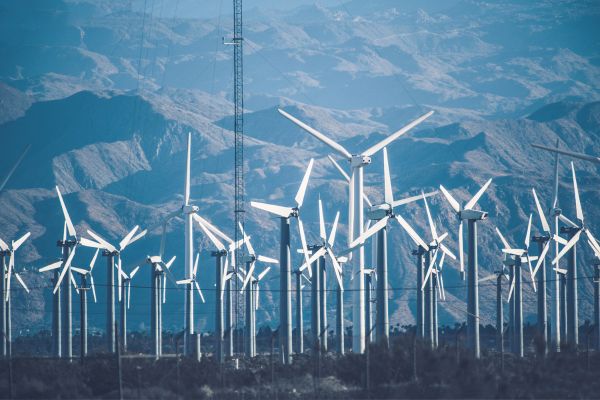
The conversation around renewable energy often centers on solar panels and electric vehicles, but wind energy has quietly become one of the most important pillars of the clean energy transition. In many parts of the world, towering turbines now stretch across coastlines, farmland, and offshore waters, turning steadily against the horizon.
What makes the story especially interesting is how quickly the technology is evolving. Modern wind farms look very different from those built even fifteen years ago. Turbines are larger, smarter, quieter, and far more efficient than earlier designs. Engineers continue finding ways to improve performance while reducing environmental impact and operational costs.
These wind power advancements are reshaping not only the energy sector, but also the broader discussion about sustainability, infrastructure, and the future of electricity itself.
The Evolution of Wind Energy Technology
Early wind turbines were relatively simple machines. They generated electricity effectively enough, but their output was limited, and maintenance requirements were often high. As demand for renewable energy increased, manufacturers began redesigning nearly every aspect of turbine engineering.
Today’s turbines are massive compared to their predecessors. Some offshore wind turbines now stand taller than skyscrapers, with blades stretching longer than a football field. The increase in size isn’t simply for appearance. Larger blades capture more wind energy, allowing turbines to generate significantly higher amounts of electricity.
At the same time, materials science has improved dramatically. Engineers now use lighter and stronger composite materials that help blades withstand harsh weather conditions while improving efficiency.
The overall result is impressive. Modern turbines can produce more power using fewer units than older wind farms required. That shift has helped make wind energy increasingly competitive with traditional fossil fuel sources in many regions.
Offshore Wind Farms Are Expanding Rapidly
One of the most important wind power advancements in recent years has been the rise of offshore wind energy.
Building turbines at sea offers several advantages. Offshore winds are generally stronger and more consistent than those on land, which allows turbines to generate electricity more reliably. Coastal regions also tend to have high population densities, meaning offshore wind farms can supply energy relatively close to major cities.
Countries across Europe have been leaders in offshore wind development for years, but interest is growing globally. The United States, China, and several Asian nations are now investing heavily in offshore infrastructure.
Floating wind turbines are pushing the concept even further. Traditional offshore turbines require shallow waters where foundations can be anchored to the seabed. Floating systems, however, can operate in much deeper waters, opening entirely new areas for energy generation.
There’s something striking about seeing giant turbines rise from the ocean. They almost feel like symbols of a changing industrial era, where clean energy infrastructure becomes part of the natural landscape rather than an interruption to it.
Smarter Turbines Are Improving Energy Efficiency
Modern turbines are not just larger; they are also more intelligent.
Advanced sensors and digital monitoring systems now allow operators to track turbine performance in real time. These systems measure wind speed, blade conditions, vibration levels, and overall efficiency continuously. If a component begins showing signs of wear, maintenance teams can often address the issue before it leads to major failures.
Artificial intelligence is starting to play a role as well. AI-driven systems can adjust blade angles automatically to capture wind more efficiently under changing conditions. Even small improvements in turbine positioning can increase overall energy production substantially over time.
Predictive maintenance has become particularly important in offshore environments, where repairs can be difficult and expensive. Instead of waiting for equipment to fail, operators now use data analysis to anticipate maintenance needs ahead of time.
This shift toward smarter infrastructure reflects a broader trend in renewable energy. Wind farms are no longer just collections of turbines. They are increasingly becoming interconnected digital energy systems.
Blade Design Has Changed More Than Most People Realize
Wind turbine blades may look fairly simple from a distance, but their design involves an enormous amount of engineering.
One of the biggest challenges in wind energy has always been maximizing efficiency while minimizing structural stress. Blades must capture as much wind as possible without becoming too heavy or unstable during extreme weather.
Recent wind power advancements have led to more aerodynamic blade shapes inspired partly by aircraft wing technology. Engineers study airflow patterns carefully to reduce turbulence and improve rotational efficiency.
Some companies are also experimenting with segmented blades that can be transported more easily. Transporting giant turbine blades across highways has become increasingly difficult as turbine sizes continue growing. Modular blade designs could simplify logistics considerably.
Noise reduction is another area receiving attention. Older turbines sometimes generated noticeable aerodynamic noise, especially near residential areas. Modern blade designs are quieter, making wind farms less disruptive to surrounding communities.
These changes may seem technical on the surface, but together they have made wind energy more practical and scalable than it once appeared.
Energy Storage Is Strengthening Wind Reliability
One common criticism of wind energy involves inconsistency. Wind does not blow continuously, and electricity demand does not always match periods of peak generation.
That challenge has pushed researchers and energy providers to focus heavily on energy storage systems.
Large-scale battery storage facilities are increasingly being paired with wind farms. During periods of strong wind, excess electricity can be stored rather than wasted. When wind speeds decrease, stored energy can help maintain a steady supply.
Battery technology itself continues improving, with higher storage capacities and longer lifespans becoming more common. Some projects are also exploring alternative storage methods, including hydrogen production and gravity-based energy systems.
This combination of renewable generation and storage is changing how power grids operate. Wind energy becomes far more dependable when paired with systems capable of balancing fluctuations.
In many ways, storage technology may be just as important as the turbines themselves in shaping the future of renewable energy.
Environmental Concerns and Ongoing Challenges
Despite the progress, wind energy still faces challenges and criticism.
One concern involves wildlife impact, particularly bird and bat populations. Turbines can disrupt migration patterns or create collision risks in certain areas. Researchers and environmental planners now spend more time studying migration routes before approving new projects.
New radar systems and AI-based monitoring tools are also being developed to reduce wildlife risks. Some turbines can temporarily shut down when large bird groups are detected nearby.
There are visual and land-use debates as well. Not everyone welcomes large wind farms near residential or scenic areas. Offshore projects sometimes face opposition from fishing industries or coastal communities concerned about changing ocean landscapes.
Then there’s the issue of turbine recycling. Wind turbine blades are durable, but disposing of older blades responsibly remains a developing challenge. Engineers are working on recyclable materials and improved waste management systems to address the issue.
Like most major energy transitions, the path forward involves balancing benefits with practical concerns.
Wind Power and the Future of Global Energy
Wind energy is no longer viewed as a niche or experimental technology. In many countries, it has become a central part of long-term energy planning.
Governments are setting ambitious renewable energy goals, and wind power often plays a major role in meeting those targets. The falling cost of turbine production, combined with growing efficiency, has accelerated adoption significantly.
At the same time, climate concerns continue pushing industries toward lower-carbon alternatives. Wind energy offers a scalable solution that can operate alongside solar, hydroelectric, and other renewable systems.
The expansion of offshore projects, smart grid integration, and advanced storage technologies suggests that wind energy will continue evolving rapidly over the next decade.
What once seemed futuristic now feels increasingly normal. Wind farms are becoming part of everyday infrastructure in many regions, much like highways or transmission lines.
Conclusion
The story of wind power advancements is really a story about adaptation. As global energy demands rise and environmental concerns become harder to ignore, the search for cleaner and more efficient energy systems has accelerated dramatically.
Wind energy has moved far beyond its early experimental phase. Modern turbines are larger, smarter, and more capable than ever before. Offshore wind farms are expanding into deeper waters, AI systems are improving operational efficiency, and energy storage solutions are helping stabilize renewable power generation.
At the same time, challenges remain. Environmental concerns, infrastructure costs, and recycling issues still require thoughtful solutions. Yet the overall direction is difficult to miss.
Wind power is no longer simply an alternative energy source sitting at the edges of the industry. It is becoming part of the foundation of future energy systems.
And perhaps that’s what makes this moment so interesting. Something as old and natural as the wind is now driving some of the most advanced technological innovations of the modern era.